Physical Address
304 North Cardinal St.
Dorchester Center, MA 02124
Physical Address
304 North Cardinal St.
Dorchester Center, MA 02124

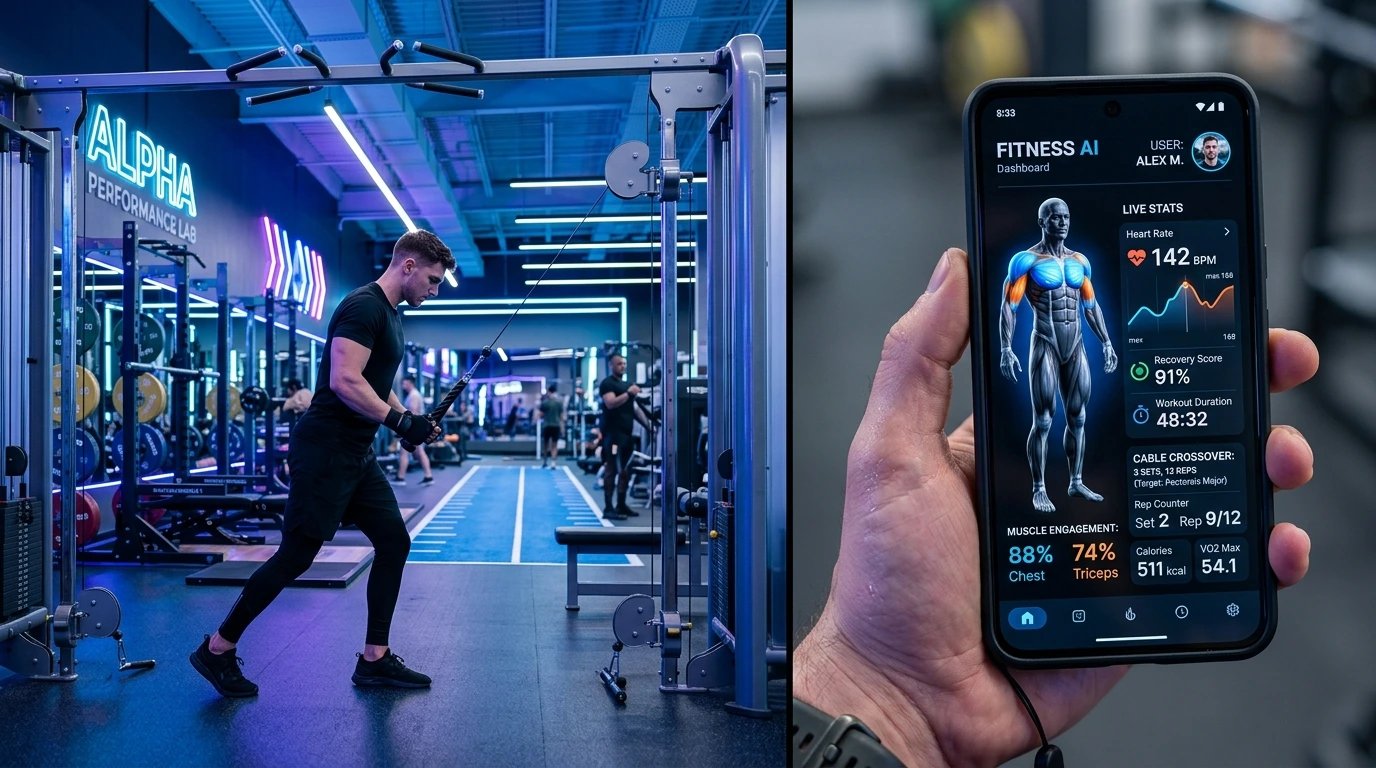
I’ve seen thousands of people spend a fortune on personal trainers in high-end gyms from New York to San Francisco, only to quit after a month. The problem isn’t the effort; it’s the lack of real-time data. At FluxAIHQ, we believe that your smartphone is the best coach you’ve ever had. If you’ve ever wondered how to use AI for fitness to optimize your recovery, track your macros, or perfect your deadlift form, you’re in the right place. In this 1,000-word blueprint, I’m breaking down the exact systems that allow technology to do the heavy lifting for your brain, while you do the heavy lifting for your muscles.”
1. The Science of Data-Driven Gains
The first step in learning how to use AI for fitness is understanding that ‘feeling’ isn’t enough. AI uses biometric data—like your Heart Rate Variability (HRV) and sleep cycles—to determine your daily ‘Readiness Score.’ Instead of following a static PDF plan, the AI adjusts your intensity. If your stress levels are high, the algorithm scales back the volume to prevent injury. This is how pros train in 2026.
2. Real-Time Form Correction with Computer Vision
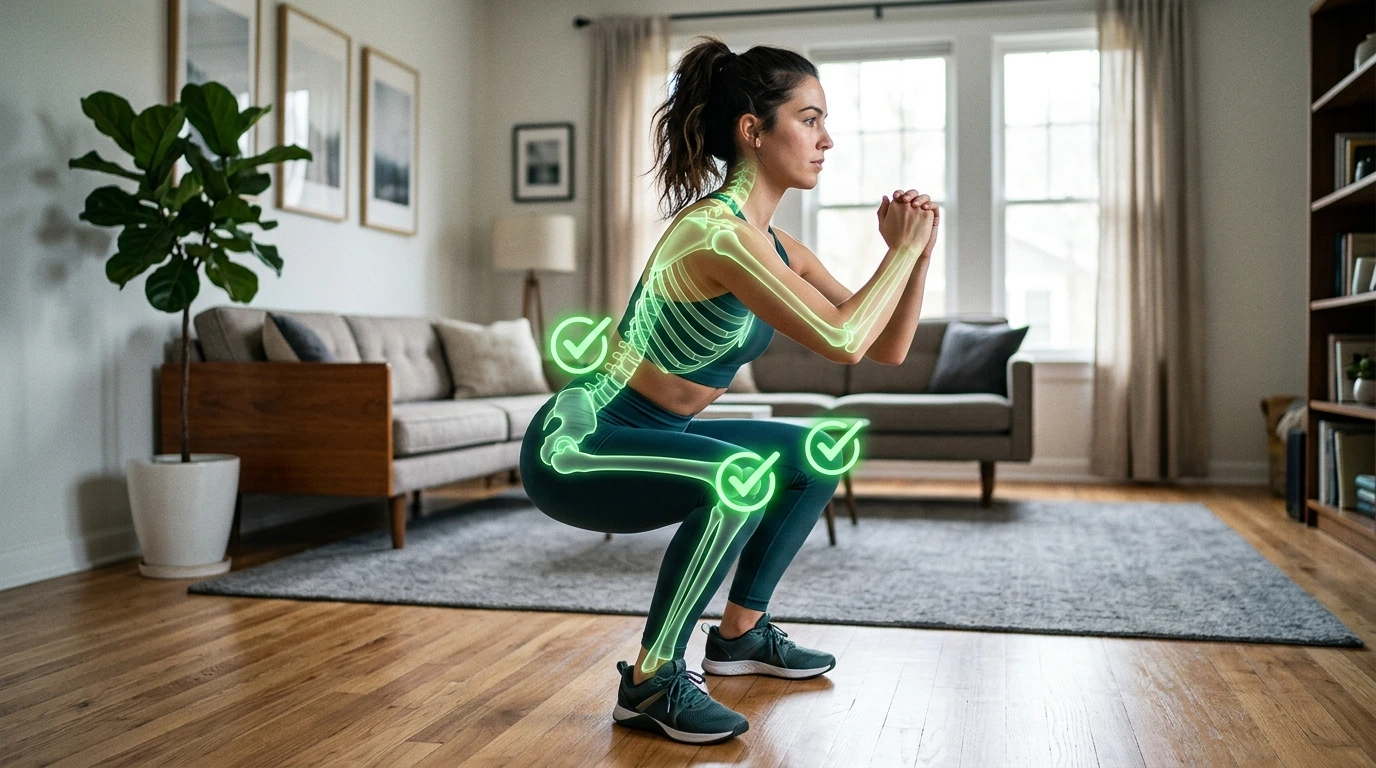
One of the biggest barriers for beginners is the fear of doing an exercise wrong. Modern fitness apps have solved this. By learning how to use AI for fitness through your phone’s camera, you can get instant feedback. The AI maps your joints in a 3D space, ensuring your spine is neutral during a squat or that your elbows are tucked during a bench press. It’s like having a trainer’s eyes on you 24/7, but without the $100/hour fee.
3. Mastering Nutrition: From Photos to Macros
We’ve all been there: typing every single ingredient into a tracker is exhausting. When you know how to use AI for fitness, you simply take a photo of your plate. Advanced image recognition algorithms now identify the protein, carb, and fat content in seconds. This data syncs directly with your workout intensity, ensuring you are fueling your body exactly when it needs it most.
4. Building Your Personalized AI Workout Stack
To truly master how to use AI for fitness, you need the right tools. At FluxAIHQ, we recommend integrating:
*Fitbod / Zing: For algorithmic workout generation.
*Whoop / Oura: For deep recovery analytics.
*ChatGPT-4o: For custom high-protein recipes based on what’s in your fridge.
*FluxAIHQ Guides: To stay updated on the latest biohacking tech.
5. Overcoming the Plateau with Predictive Analytics
The reason most people stop seeing results is the ‘plateau.’ An AI system predicts when your progress is about to stall before it actually happens. By analyzing your lifting velocity and volume over weeks, the AI introduces ‘Deload’ weeks or ‘Negative Reps’ to shock your nervous system. Knowing how to use AI for fitness means you’ll never stop growing.
In my experience, the biggest shift in the fitness industry isn’t the equipment; it’s the accessibility of elite knowledge. When you learn how to use AI for fitness, you are essentially hiring a team of sports scientists to live in your pocket. At FluxAIHQ, we’ve seen users transform their physiques in half the time by simply listening to what the data says. My advice? Don’t just work hard; work smart. Let the algorithms handle the planning so you can focus on the execution. Your 2.0 version is waiting.
More subjects :
AI Meal Planning: How to Save Money and Cook Like a Chef Using Your Fridge Leftovers
Viral YouTube Shorts Strategy: How to Build a Million-Subscriber Channel





[…] How to Use AI for Fitness: Your Step-by-Step Guide to a Perfect Body […]