Physical Address
304 North Cardinal St.
Dorchester Center, MA 02124
Physical Address
304 North Cardinal St.
Dorchester Center, MA 02124

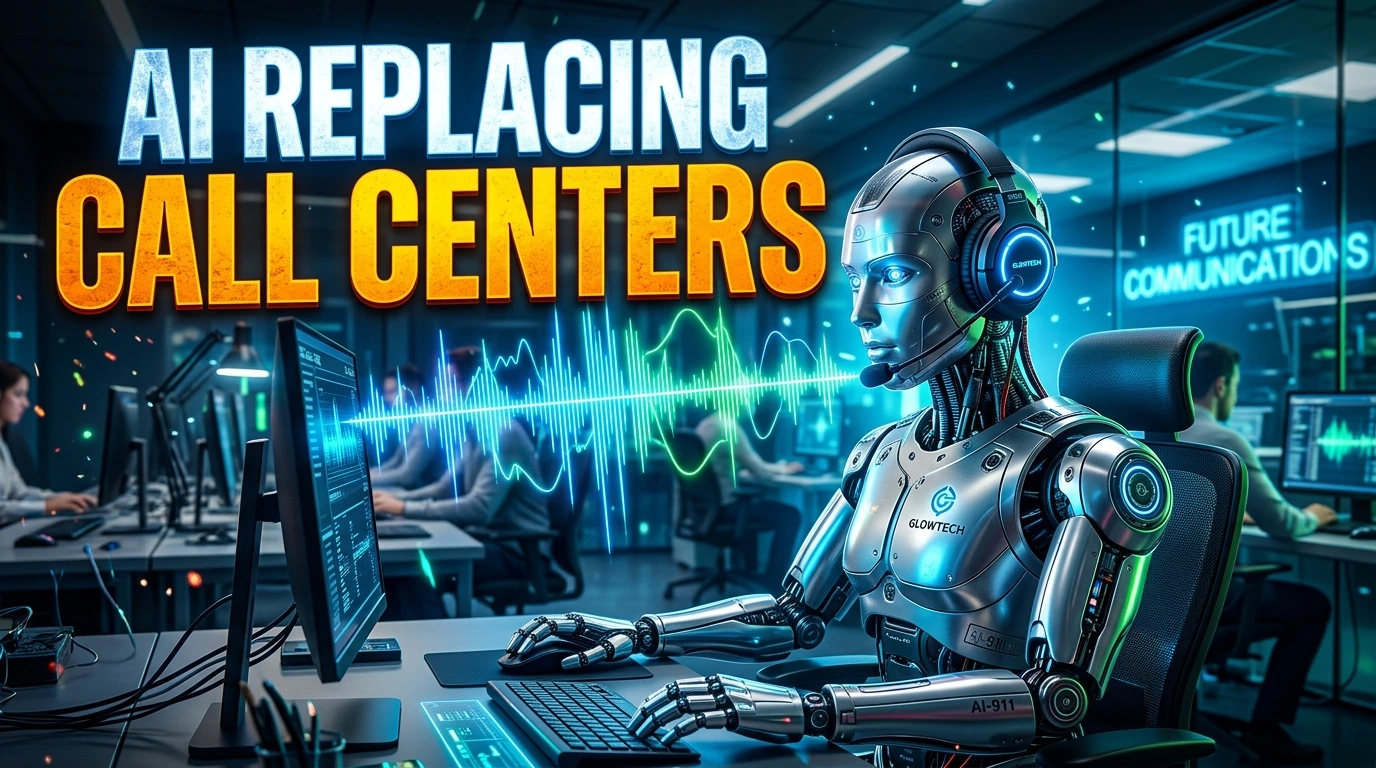
The global business landscape is undergoing a tectonic shift. As we navigate through 2026, the traditional model of customer interaction is being dismantled. For decades, the “Call Center” was a necessary evil expensive, inefficient, and often frustrating for the end consumer. However, the emergence of AI Voice Agents for Business has fundamentally changed the rules of the game. Led by innovators like PolyAI, these digital agents are no longer just “bots”; they are high-performance virtual employees capable of managing complex human emotions and technical requirements.
To understand why AI Voice Agents for Business are so effective, we must look under the hood. Unlike the robotic IVR systems of the past, today’s agents utilize “Large Language Models” (LLMs) specifically fine-tuned for verbal communication. This allows them to handle “unstructured data” meaning they can understand a customer even if they mumble, use slang, or change their mind mid-sentence.
These systems integrate directly with a company’s backend infrastructure. When a customer calls to change a hotel reservation, the AI Voice Agents for Business don’t just talk; they simultaneously query the reservation database, check availability, calculate price differences, and update the CRM all within milliseconds. This level of multi-tasking is humanly impossible at the same speed and accuracy.
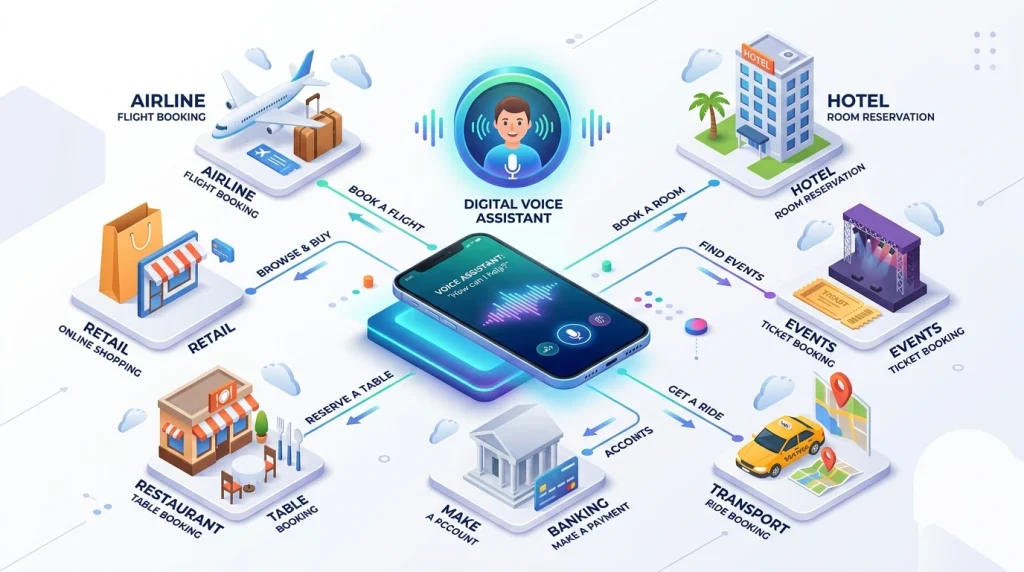
The hospitality industry has been hit hard by labor shortages. This is where AI Voice Agents for Business have proven their worth. Consider a major hotel chain that receives 5,000 calls a day. A traditional call center would require hundreds of staff members, leading to massive overhead and inevitable wait times during peak hours.
By implementing PolyAI’s voice solution, these brands have achieved:
One of the biggest hurdles for AI was always “empathy.” Can a machine sound concerned? Can it handle an angry customer? The answer in 2026 is a resounding yes. Modern AI Voice Agents for Business use advanced prosody the rhythm and intonation of speech to match the customer’s mood. If a caller is stressed, the agent adopts a calm, soothing tone. If the caller is in a hurry, the agent becomes efficient and brief.
This psychological mirroring is a key reason why these agents often outperform human staff in customer satisfaction (CSAT) scores.
The AI never has a “bad day,” never gets tired, and remains consistently professional regardless of the circumstances.
From a financial perspective, the shift to AI Voice Agents for Business is a “no-brainer.” While the initial setup and integration with your CRM require a professional investment, the long-term savings are staggering.
If you’re ready to join the revolution, the implementation process follows a strategic roadmap:
The viral reels we see today are just the beginning. AI Voice Agents for Business are evolving into fully autonomous units that will eventually handle the majority of business-to-consumer interactions. At Flux AI HQ, we believe that the early adopters of this technology will secure a massive competitive advantage.
The future of business is vocal, and it is powered by AI. Are you ready to answer the call?
Q: Will AI Voice Agents for Business replace all human agents?
A: Not entirely. While AI handles the high-volume, repetitive tasks, human agents will move into “supervisory” roles or handle extremely complex emotional cases that require human intervention.
Q: Is the voice quality realistic enough for high-end brands?
A: Absolutely. With modern neural text-to-speech, the voices are indistinguishable from real humans, including natural breathing and conversational pauses.
Q: How long does it take to deploy an AI voice agent?
A: Depending on the complexity of your systems, a basic agent can be deployed in as little as 4–6 weeks.
More subjects :
Viral YouTube Shorts Strategy: How to Build a Million-Subscriber Channel
How to Use AI for Fitness: Your Step-by-Step Guide to a Perfect Body