Physical Address
304 North Cardinal St.
Dorchester Center, MA 02124
Physical Address
304 North Cardinal St.
Dorchester Center, MA 02124

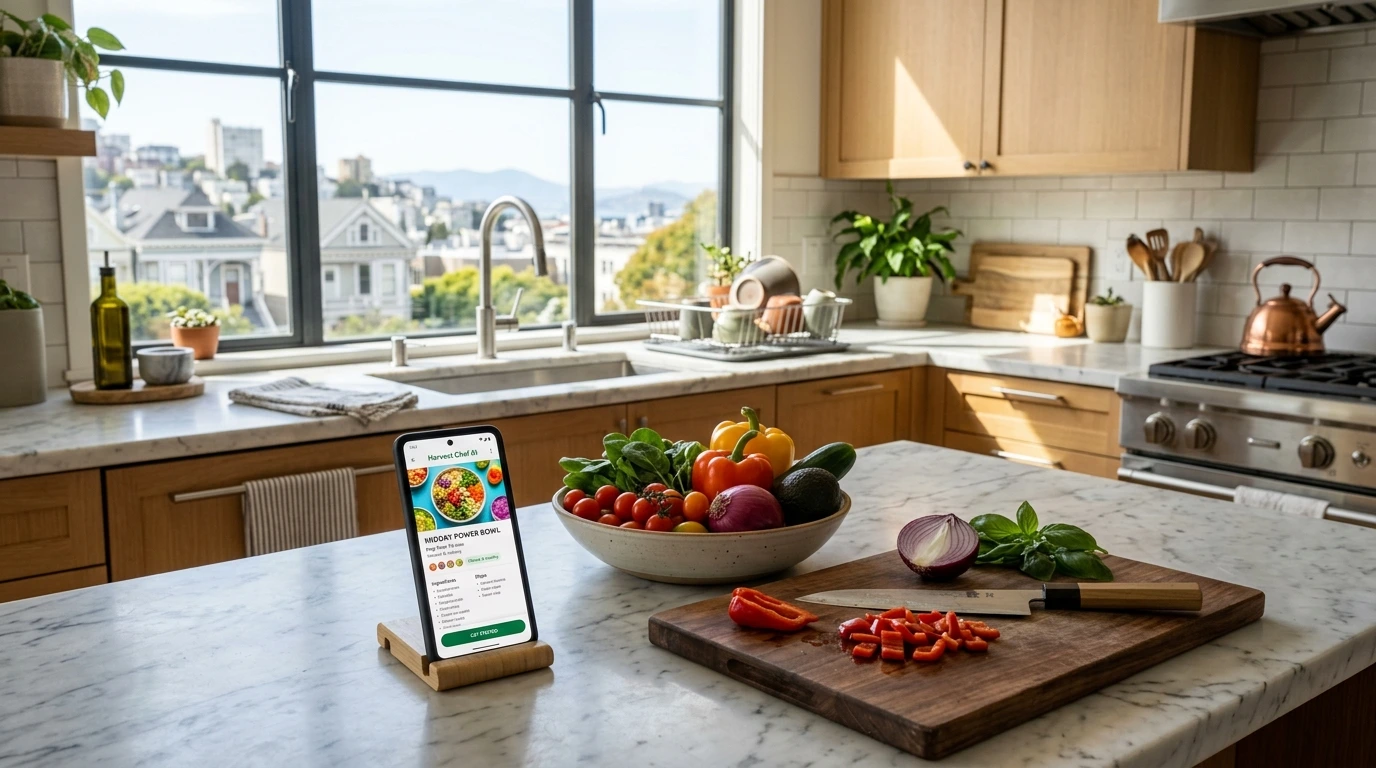
We’ve all been there: standing in front of an open fridge at 6 PM, staring at a half-used jar of pesto, two carrots, and some leftover chicken, thinking ‘there’s nothing to eat.’ In San Francisco, where life moves fast and groceries aren’t getting any cheaper, I decided to stop guessing and start prompting. At FluxAIHQ, I’ve discovered that AI meal planning is the ultimate hack to turn food waste into gourmet meals. It’s not just about recipes; it’s about having a world-class chef in your pocket that knows exactly what to do with your leftovers. In this guide, I’ll show you how to master AI meal planning to save hundreds of dollars a month while eating better than ever.”
1. The Death of the Traditional Cookbook
The problem with cookbooks is they assume you have every ingredient. AI meal planning flips the script. Instead of following a rigid recipe, you tell the AI what you *already* have, and it builds the recipe around you. This shift is revolutionizing how we handle kitchen efficiency and budget management.
2. Master Prompts for the “Fridge-to-Table” Method
To get the best results from AI meal planning, you need to give the AI specific constraints. Don’t just ask for a recipe; ask for a “Culinary Solution.”
The “Badr” Kitchen Prompt Formula:
*”Act as a Michelin-star chef. I have [List of Ingredients]. I also have basic pantry staples like salt, oil, and flour. Create a [Cuisine Type] recipe that takes less than [Time] minutes. Provide a macro-breakdown and a creative name for the dish.”*
Pro Tip for AI Meal Planning:
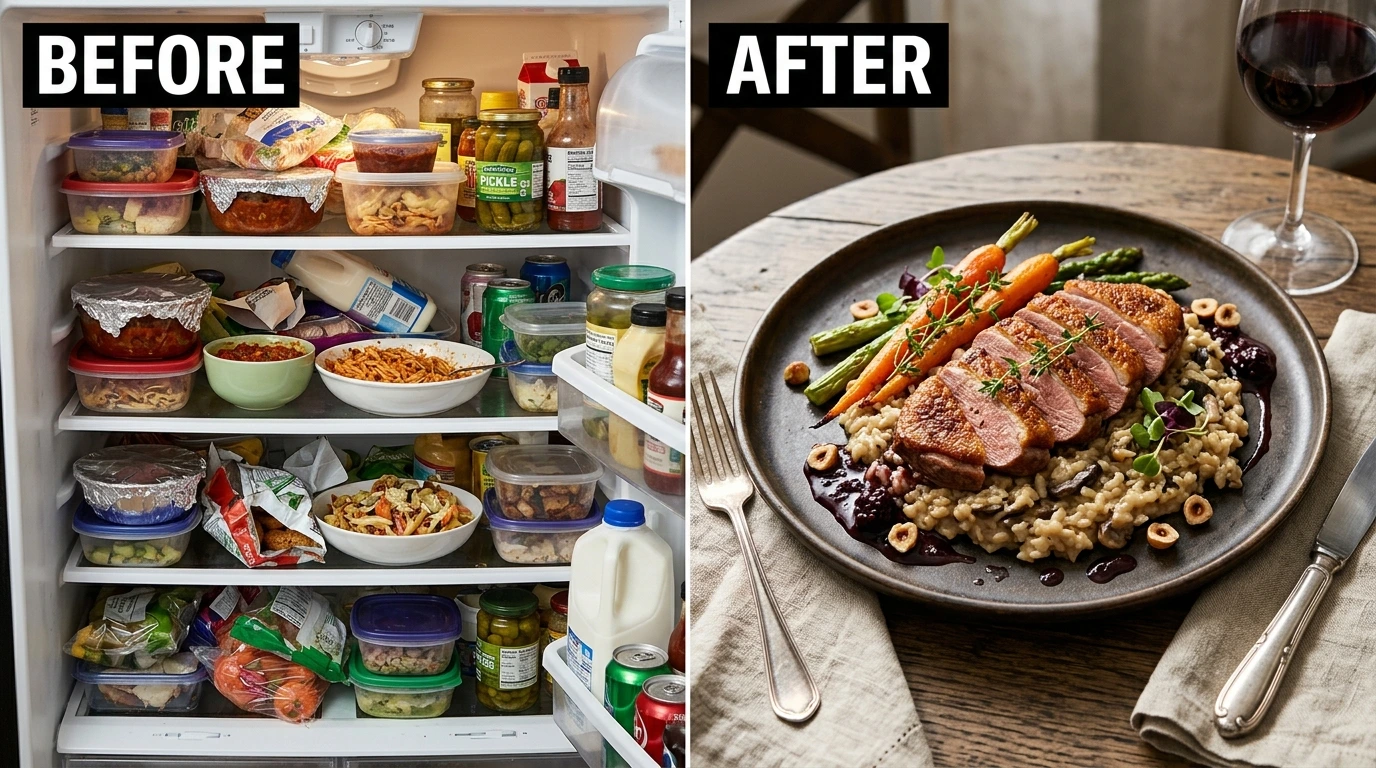
If you want to be even more efficient, take a photo of your fridge and upload it to a multimodal AI (like ChatGPT Plus or Gemini). Use this prompt:
*”Analyze this image and list 3 possible healthy meals I can make right now without going to the store.”*
3. Advanced AI Meal Planning: Budgeting & Waste Reduction
One of the most powerful aspects of AI meal planning is its ability to organize your entire week.
* The “Zero-Waste” Week: Ask the AI to create a 7-day plan where the leftovers from Monday’s dinner become the base for Tuesday’s lunch.
* Smart Grocery Lists: Tell the AI your budget (e.g., $100 for the week) and ask it to generate a shopping list that maximizes nutrients while staying under the limit.
4. Customizing for Diets (Keto, Vegan, or High-Protein)
Whether you are training for a marathon or trying to lose weight, AI meal planning adapts instantly. You can add specific constraints like:
* *”Exclude all seed oils.”*
* *”Keep each meal under 600 calories.”*
* *”Ensure I get 150g of protein today.”*
Badr’s Personal Perspective: The End of Decision Fatigue
From my perspective, the biggest benefit of AI meal planning isn’t just the money I save—it’s the mental energy I get back. Living in a high-pressure city like San Francisco, ‘decision fatigue’ is real. By letting AI handle the ‘what’s for dinner’ question, I can focus my energy on building FluxAIHQ and hitting the gym. AI hasn’t taken the joy out of cooking; it’s taken out the stress. My advice? Start small. Next time you think about ordering takeout, ask an AI what you can do with those random items in your pantry first. You’ll be surprised at the 5-star meal hiding in your leftovers.
More content :
The Ultimate Guide to AI Music Generation: How to Create Studio-Quality Tracks
How to Create Viral AI Videos in Minutes: The Ultimate Content Creator Hack





[…] AI Meal Planning: How to Save Money and Cook Like a Chef Using Your Fridge Leftovers […]