Physical Address
304 North Cardinal St.
Dorchester Center, MA 02124
Physical Address
304 North Cardinal St.
Dorchester Center, MA 02124

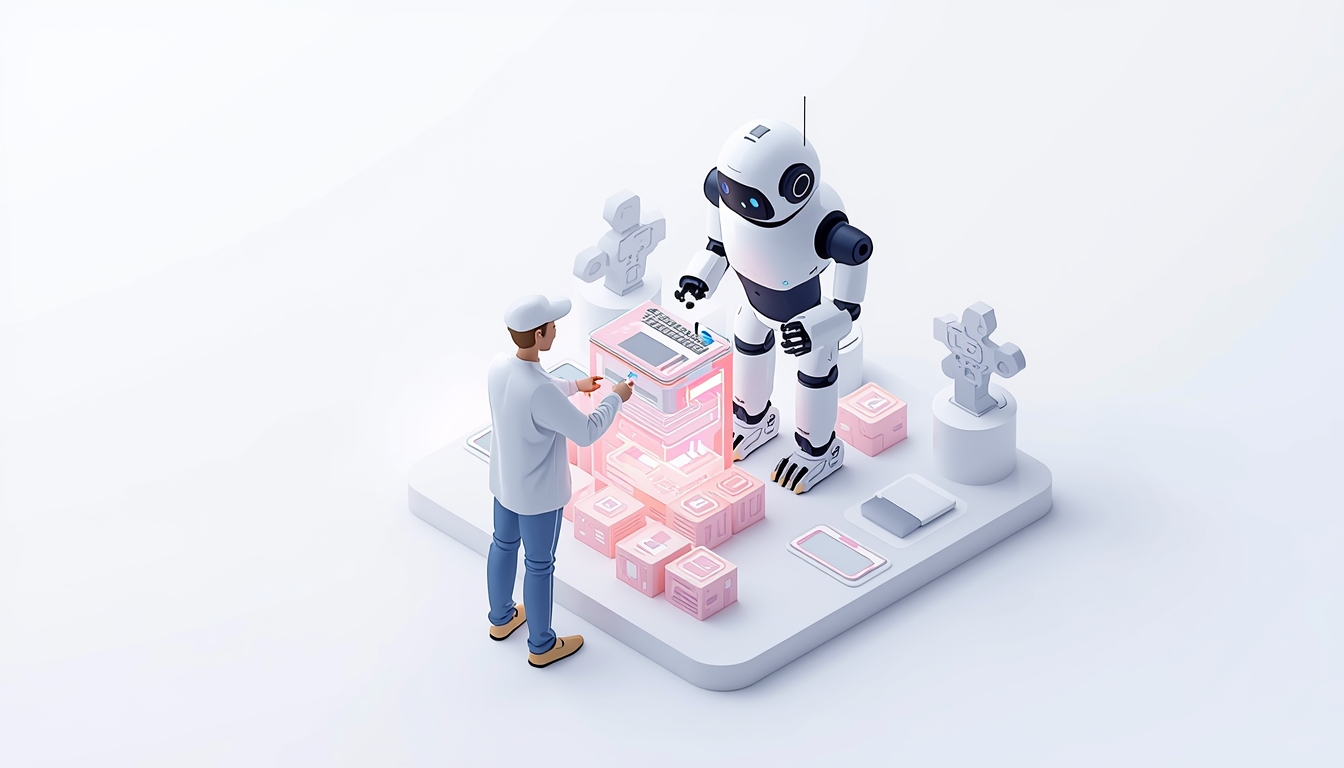
Building your own AI agent used to require years of programming experience and deep technical knowledge. Not anymore. In 2026, no-code AI platforms have democratized artificial intelligence, making it accessible to everyone—from small business owners to creative professionals.
This comprehensive guide will walk you through everything you need to know about creating your first AI agent, even if you’ve never written a single line of code. By the end of this tutorial, you’ll have a fully functional AI assistant tailored to your specific needs.
Think of an AI agent as your personal digital employee that never sleeps, never takes breaks, and learns from every interaction. Unlike simple chatbots that follow pre-written scripts, AI agents can think, reason, and make decisions independently.
AI agents in 2026 possess several remarkable capabilities:
AI agents are transforming how we work and live. Here are some popular use cases:
Business Applications:
Personal Applications:
The no-code AI revolution has produced several outstanding platforms. Here are the top contenders that make building AI agents accessible to beginners:
AgentBuilder Pro leads the market with its intuitive drag-and-drop interface. The platform offers over 200 pre-built templates and seamlessly integrates with major business tools like Slack, Gmail, and Salesforce.
Key Features:
MindForge Studio specializes in conversational AI agents. Its strength lies in creating agents that sound remarkably human and can handle complex, multi-turn conversations.
Standout Capabilities:
FlowGenius excels at creating task-oriented AI agents. If you need an agent that can perform specific actions across multiple platforms, this is your best choice.
Notable Features:
Now let’s build your first AI agent. We’ll use AgentBuilder Pro for this tutorial, but the principles apply to any no-code platform.
Before diving into the platform, spend time clarifying exactly what you want your AI agent to accomplish.
Questions to Consider:
Example: Let’s say you’re building a customer service agent for your online clothing store. Your agent should be friendly, knowledgeable about fashion, patient with questions, and capable of processing returns and exchanges.
Log into AgentBuilder Pro and browse the template library. Select the template that most closely matches your intended use case.
Setup Process:
The platform’s smart suggestion engine will recommend optimal settings based on your template choice and industry selection.
Your AI agent needs information to work with. This step involves feeding it relevant knowledge about your business, products, or services.
Data Input Methods:
Pro Tip: Start with high-quality, frequently needed information. You can always add more knowledge later as your agent encounters new scenarios.
This is where your agent comes to life. AgentBuilder Pro’s visual flow designer makes creating conversation paths as simple as connecting boxes with lines.
Key Elements to Configure:
Conversation Flow Best Practices:
Never launch an AI agent without thorough testing. AgentBuilder Pro includes comprehensive testing tools that simulate real user interactions.
Testing Checklist:
Deployment Options:
Optimization Strategy: Monitor your agent’s performance through the built-in analytics dashboard. Pay attention to:
Use these insights to continuously refine your agent’s knowledge base and conversation flows.
Once you’ve mastered the basics, consider exploring these advanced capabilities:
Multi-Agent Collaboration: Create teams of specialized agents that work together on complex tasks.
Predictive Analytics: Use your agent’s data collection to identify trends and opportunities.
Voice Integration: Add speech recognition and synthesis for hands-free interactions.
Emotional Intelligence: Configure your agent to recognize and respond to user emotions appropriately.
Building your own AI agent without coding is not only possible in 2026—it’s surprisingly straightforward. The no-code AI platforms available today provide powerful tools that rival custom-coded solutions at a fraction of the cost and complexity.
Remember These Essential Points:
Your first AI agent doesn’t need to be perfect. The beauty of no-code platforms is that you can iterate quickly and improve continuously. Start simple, learn from user interactions, and gradually add more sophisticated features as your confidence grows.
The AI agent revolution is here, and you’re now equipped to be part of it. Whether you’re automating customer service, streamlining business processes, or creating entirely new user experiences, your custom AI agent can help you achieve goals that seemed impossible just a few years ago.
The future belongs to those who embrace AI collaboration. Your journey starts with that first agent—so why not begin building today?
Check our latest AI updates on FluxAIHQ.
5 Essential AI Tools That Will Redefine Productivity in 2026