Physical Address
304 North Cardinal St.
Dorchester Center, MA 02124
Physical Address
304 North Cardinal St.
Dorchester Center, MA 02124

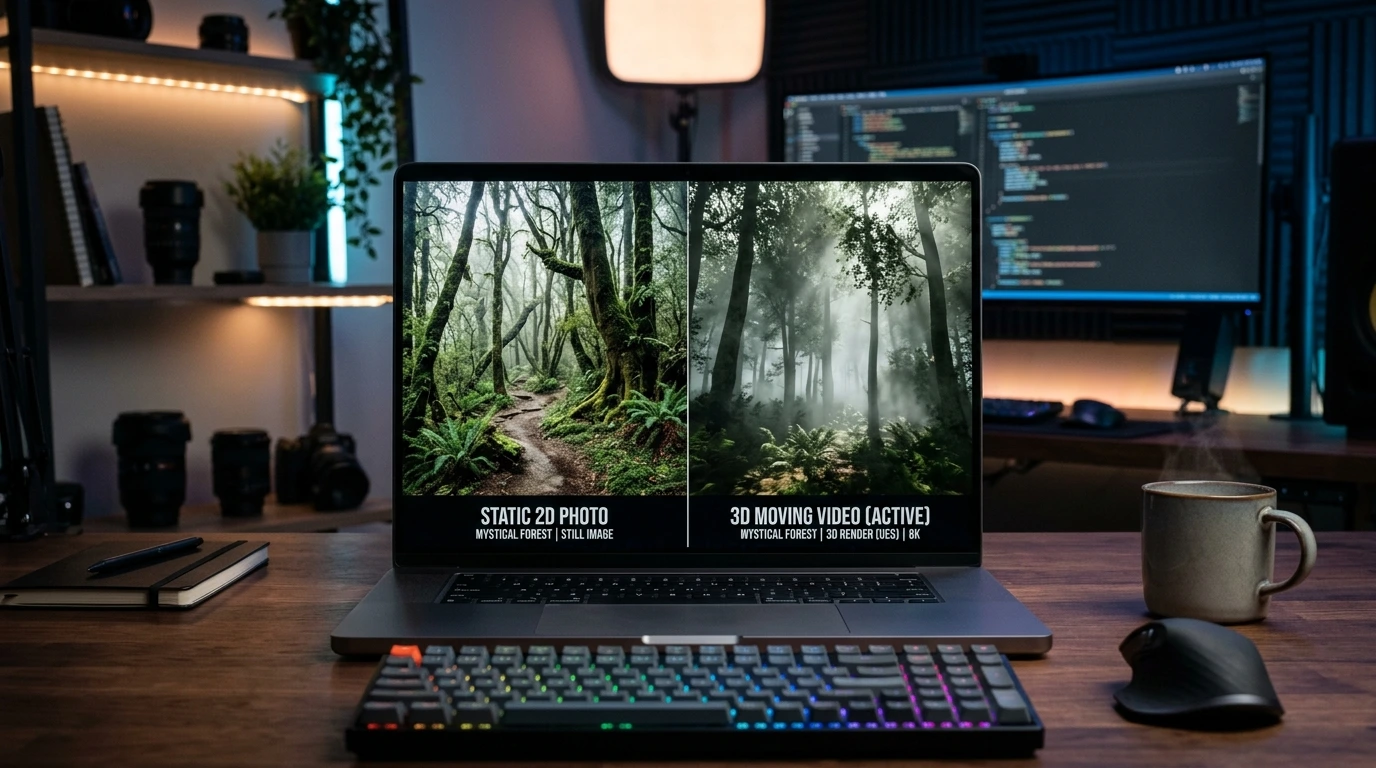
In the rapidly shifting landscape of digital storytelling, a single static image often fails to capture the fleeting attention of modern audiences. Whether you are building a YouTube empire, managing a viral TikTok brand, or looking to enhance your website’s user experience, learning how to animate photos using AI for free is no longer a luxury it is a competitive necessity. As of 2026, generative AI has crossed the “uncanny valley,” allowing creators to transform family portraits, AI-generated landscapes, or product shots into high-definition cinematic videos with just a few prompts.
This comprehensive guide will go beyond the surface-level tutorials. We will dive deep into the technical nuances of motion synthesis, explore the elite tools currently dominating the US market, and provide a step-by-step masterclass on bringing your still gallery to life without spending a single dollar on expensive animation studios.
Before we dive into the practical steps, it is essential to understand why everyone is searching for how to animate photos using AI for free. Traditional animation required hours of keyframing, rigging, and rendering. Today, Diffusion Models and Video Transformers analyze the pixels in your photo and predict logical movement based on billions of video frames they have “seen” during training.
In 2026, tools like Kling and Luma have introduced “Temporal Consistency,” which means the faces and objects in your video don’t warp or glitch as they move. This leap in quality has democratized high-end production, making it accessible to solo entrepreneurs and digital content creators worldwide.
To successfully master how to animate photos using AI for free, you must choose the right engine for your specific image type. Not all AI models are created equal.
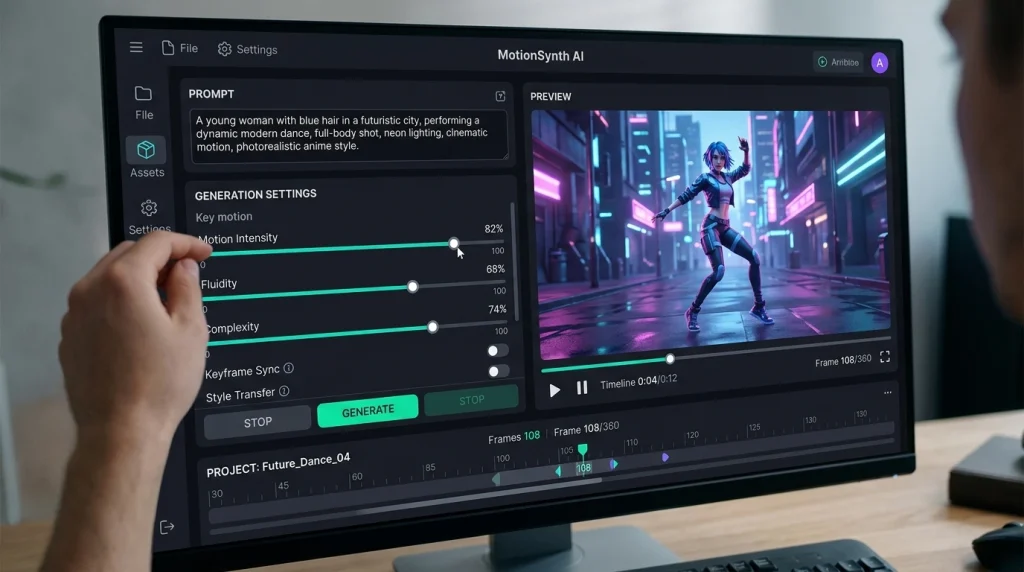
Kling AI has revolutionized the industry with its ability to generate up to 10-second clips that maintain incredible physical accuracy. It is particularly skilled at human movement and complex environmental interactions.
If you want your photos to look like they were filmed by a Hollywood cinematographer, Luma is your go-to tool. It excels at sweeping camera pans, drones shots, and dramatic lighting shifts.
Runway remains a staple in the US creative industry due to its “Motion Brush” feature, which allows you to paint exactly which part of the photo should move.
The secret to a viral AI video starts with the source image. AI models work best with high-contrast, sharp images. If your photo is blurry, the AI will struggle to define the edges of objects, leading to “melting” effects. Before uploading, ensure your image is at least 1080p.
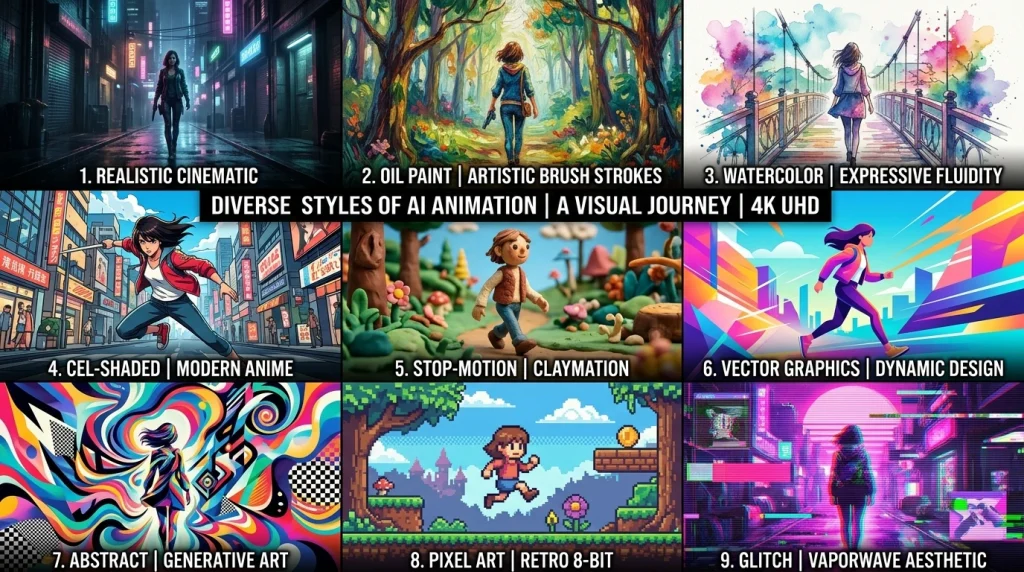
Many beginners fail when learning how to animate photos using AI for free because they leave the prompt box empty. While the AI can guess the movement, a “Motion Prompt” gives you control.
In tools like Luma Dream Machine, you can use “End Frames.” This means you upload a starting photo and an ending photo, and the AI calculates the movement in between. This is the most professional way to ensure your animation follows a specific narrative path.
When you are investigating how to animate photos using AI for free, you will eventually encounter the “Consistency Challenge.” This is where the character in your photo starts looking like someone else halfway through the video.
To solve this, 2026 workflows involve “Seed Locking.” By using the same seed number across different generations, you tell the AI to keep the environmental variables the same. Furthermore, using “Negative Prompts” like “morphing, extra limbs, distorted face” helps filter out common AI artifacts that ruin the professional look of your animation.
Why are so many creators obsessed with how to animate photos using AI for free? It’s about the ROI (Return on Investment).
| Feature | Kling AI | Luma Dream Machine | Runway Gen-3 |
|---|---|---|---|
| Max Free Duration | 10 Seconds | 5 Seconds | 4-5 Seconds |
| Motion Realism | Elite | High | Very High |
| Ease of Use | Simple | Very Simple | Intermediate |
| Best Free Feature | Daily Credits | High Speed | Motion Brush |
Even when you follow the best guides on how to animate photos using AI for free, things can go wrong. Here is how to troubleshoot:
Mastering how to animate photos using AI for free is a gateway to a new era of digital creativity. By combining the power of Kling, Luma, and Runway, you can bypass the technical hurdles of the past and focus on what truly matters: your vision. Whether you are animating a cherished memory or creating content for a global audience, the tools are now in your hands. Start with a single photo today, apply the prompting techniques learned in this guide, and watch as your static world begins to move.
More subjects :
Viral YouTube Shorts Strategy: How to Build a Million-Subscriber Channel
The Future of Business Automation: Building an AI WhatsApp Agent with n8n and ChatGPT